
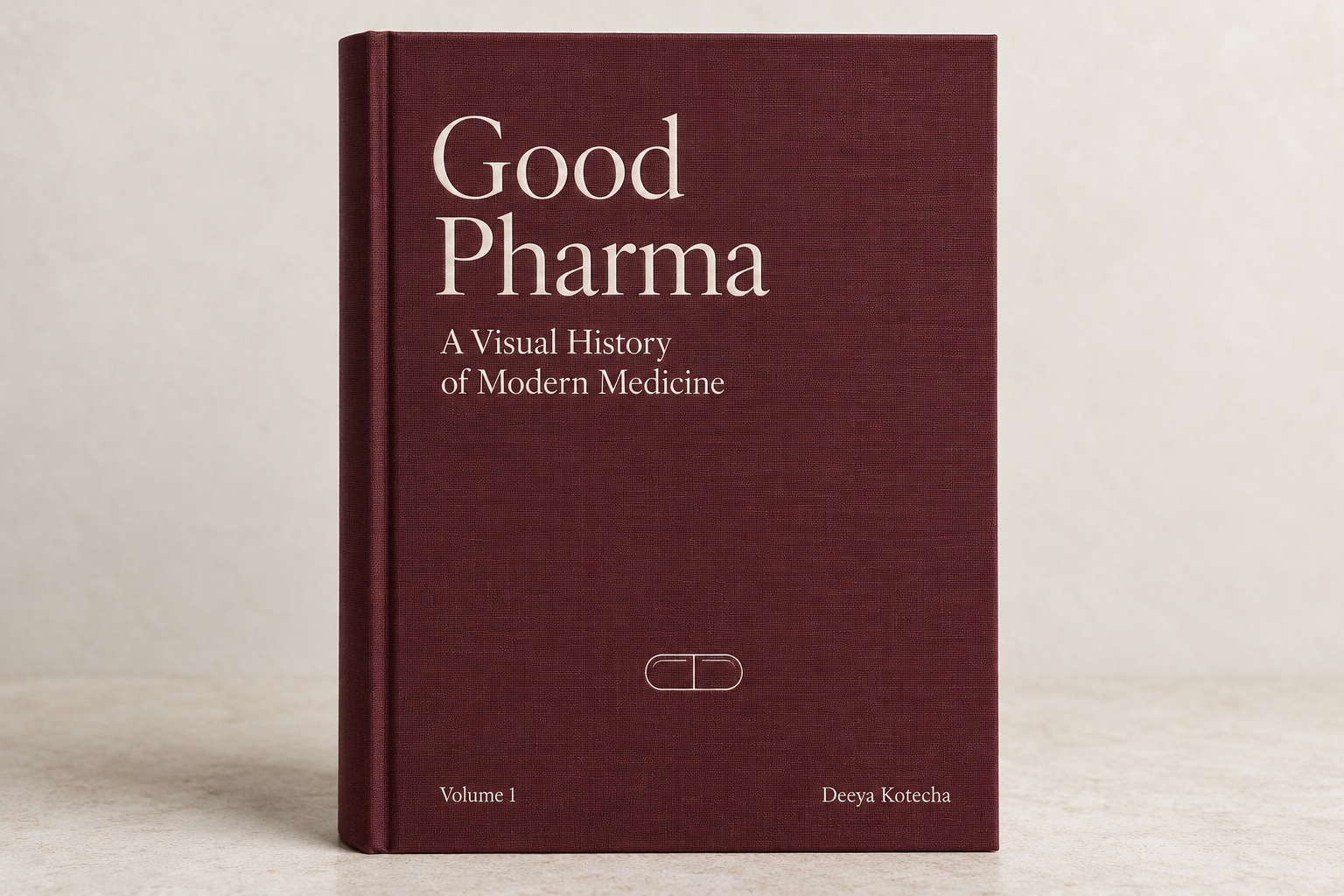
Good Pharma
A Visual History of Modern Medicine
Every era of medicine began with a new way to make it. This book tells that history through the science, the companies and the people, in six parts from 1899 to now.
$120 USD
Expected to ship Fall 2027
Contents
 Medicine becomes an industry
1899–1962
Part II
II
Medicine becomes an industry
1899–1962
Part II
II
 Medicine becomes a business
1962–2009
Part III
III
Medicine becomes a business
1962–2009
Part III
III
 Biology becomes engineerable
1973–2009
Part IV
IV
Biology becomes engineerable
1973–2009
Part IV
IV
 Biology becomes programmable
1990–2023
Part V
V
Biology becomes programmable
1990–2023
Part V
V
 The new industrialists
Now
Part VI
VI
From sequence to structureAlphaFoldAI & protein design
Medicine becomes computable
2020–now
The new industrialists
Now
Part VI
VI
From sequence to structureAlphaFoldAI & protein design
Medicine becomes computable
2020–now
Part I · Medicine becomes an industry
How insulin became a medicine
Toronto found it. Indianapolis learned to make it the same way twice.
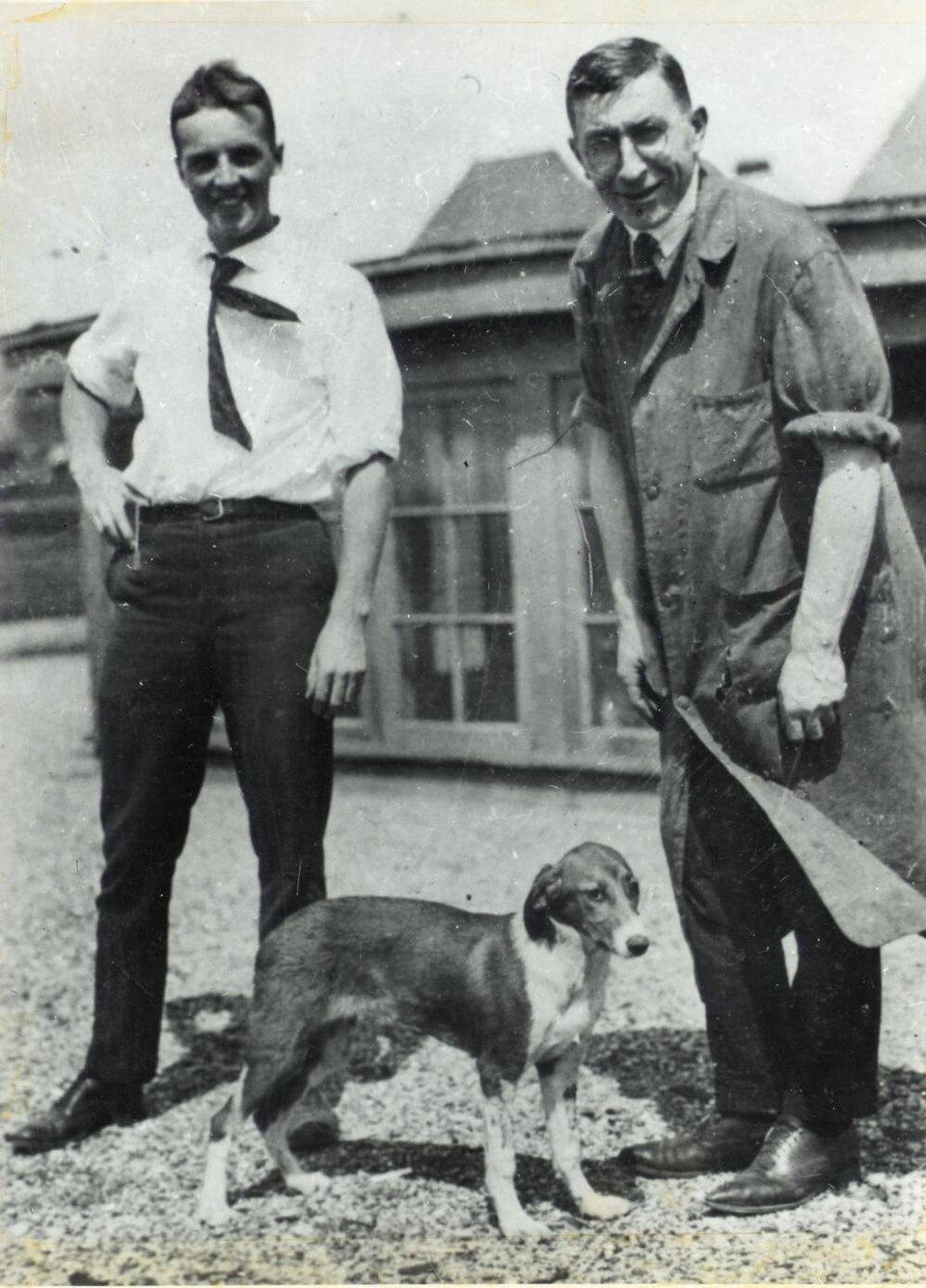
In the first days of 1922 a teenage boy named Leonard Thompson lay close to death on a ward of the Toronto General Hospital. On 11 January a house physician injected him with an extract of cattle pancreas made by Frederick Banting and Charles Best. His blood sugar fell only slightly, and an abscess formed where the needle had gone in.
Twelve days later he was given a purer extract, made by the biochemist James Collip. Within a day his blood sugar was normal.
The discovery was real. What Toronto could not do was make it again, at the same strength, in amounts that would reach anyone beyond that ward. That work would fall to a drug company in Indianapolis.
The offer
George Clowes, research director of Eli Lilly and Company, was in New Haven on 30 December 1921 when the Toronto group presented its work to the American Physiological Society. He wrote offering Lilly's help. On 3 April 1922 Macleod turned him down: Toronto would rather carry the thing as far as it could and then publish all it knew. In May a Lilly delegation spent three days in Toronto, and on 30 May the university signed an indenture giving Lilly a one-year exclusive license, in return for a full pooling of knowledge and free insulin for the first clinical tests.
The method
Lilly's first insulin would not hold its strength; from batch to batch it weakened. George Walden, the company's head chemist, traced the problem to acidity. As the pH of a batch drifted, a precipitate formed, and the precipitate carried the insulin with it. In the autumn of 1922 he did the reverse of what earlier methods had tried. He set the extract at insulin's isoelectric point, where the protein is least soluble, and collected what fell out. The insulin he recovered was ten to a hundred times purer than before.
The product
Iletin went on sale on prescription on 15 October 1923, and by the end of the year Lilly had sold almost 60 million units. The Nobel Prize that autumn went to Banting and Macleod; Banting split his share with Best, and Macleod split his with Collip. Walden's name is on none of it.
Eli Lilly · A story within Part I. Sources and picture credits ↓
Why does insulin fall out of solution at one acidity?
Sixty insulin molecules in water. Drag the pH. Away from the isoelectric point each molecule carries a net charge, and like charges push the molecules apart, so they stay dissolved. Near the isoelectric point, insulin carries little net charge and is less soluble. In this schematic model, the molecules clump and settle. In 1922 George Walden used this to purify Lilly's insulin.
- pH
- 7.4
- Net charge (calculated)
- −1.6
- Clumped or settled
- 0 of 60
- State
- Dissolved
The net charge is calculated from the 51-amino-acid sequence of human insulin (UniProt P01308), counting its two N-termini, two C-termini, four glutamates, four tyrosines, two histidines, one lysine and one arginine, with standard pKa values. That calculation puts the isoelectric point at 5.6; the measured value is 5.4. The movement of the molecules is a schematic simulation, not to scale.
Sources: UniProt P01308 · Bolli, Cheng and Owens (2022) · Insulin100, University of Toronto
The six parts
Each part has its own colour, and opens on a spread: the era on the left, the object that defined how medicine was made in it on the right.
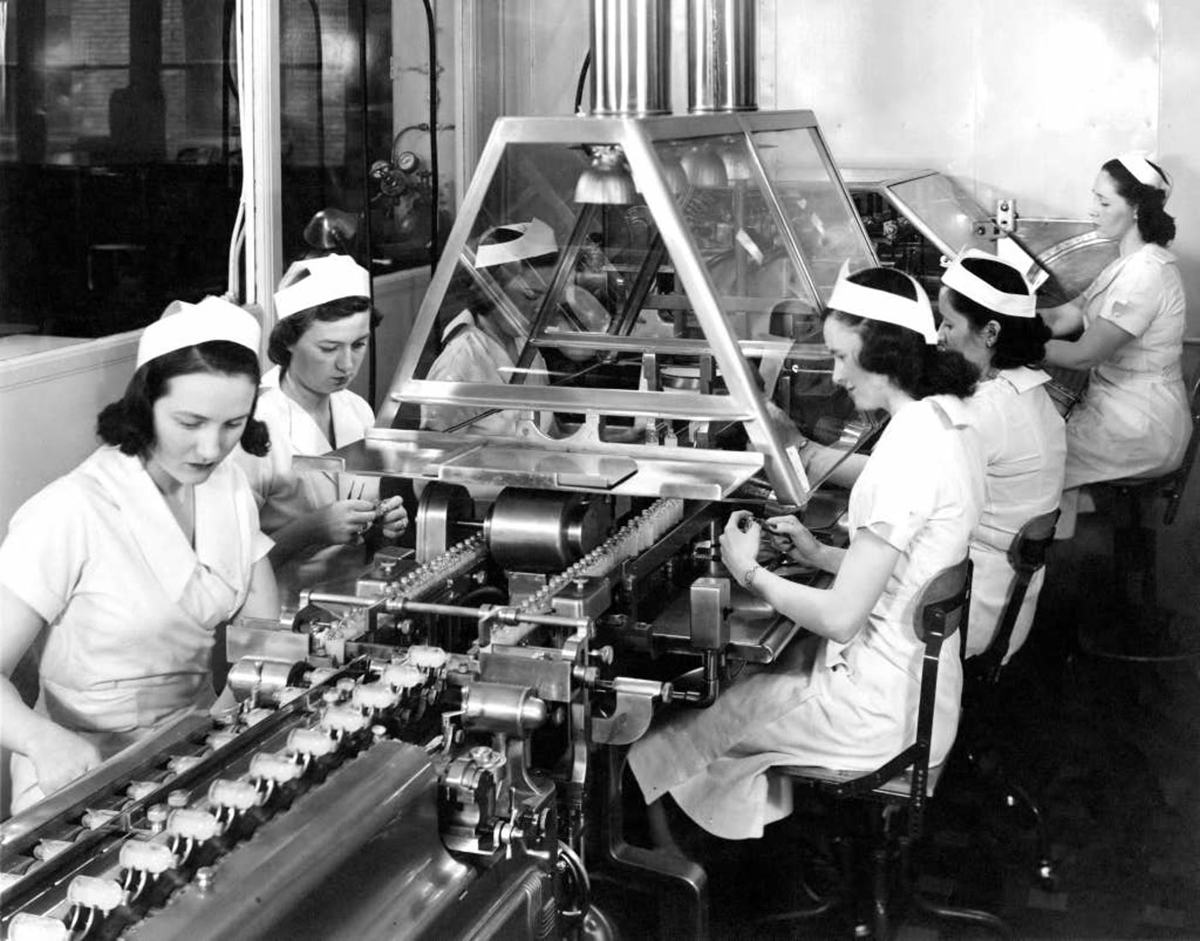
Medicine Becomes an Industry
A result becomes a medicine when a factory can repeat it.
Insulin was discovered in Toronto. It reached patients in quantity because a chemist in Indianapolis found that it would fall out of solution, far purer, at one exact acidity. Penicillin became a medicine at scale when Pfizer turned a Brooklyn ice plant into a factory of fermentation tanks. The law followed the factories.
- Aspirin
- Salvarsan
- Insulin
- Sulfa drugs
- Penicillin
- Cortisone
- Polio
- Chlorpromazine
- The pill
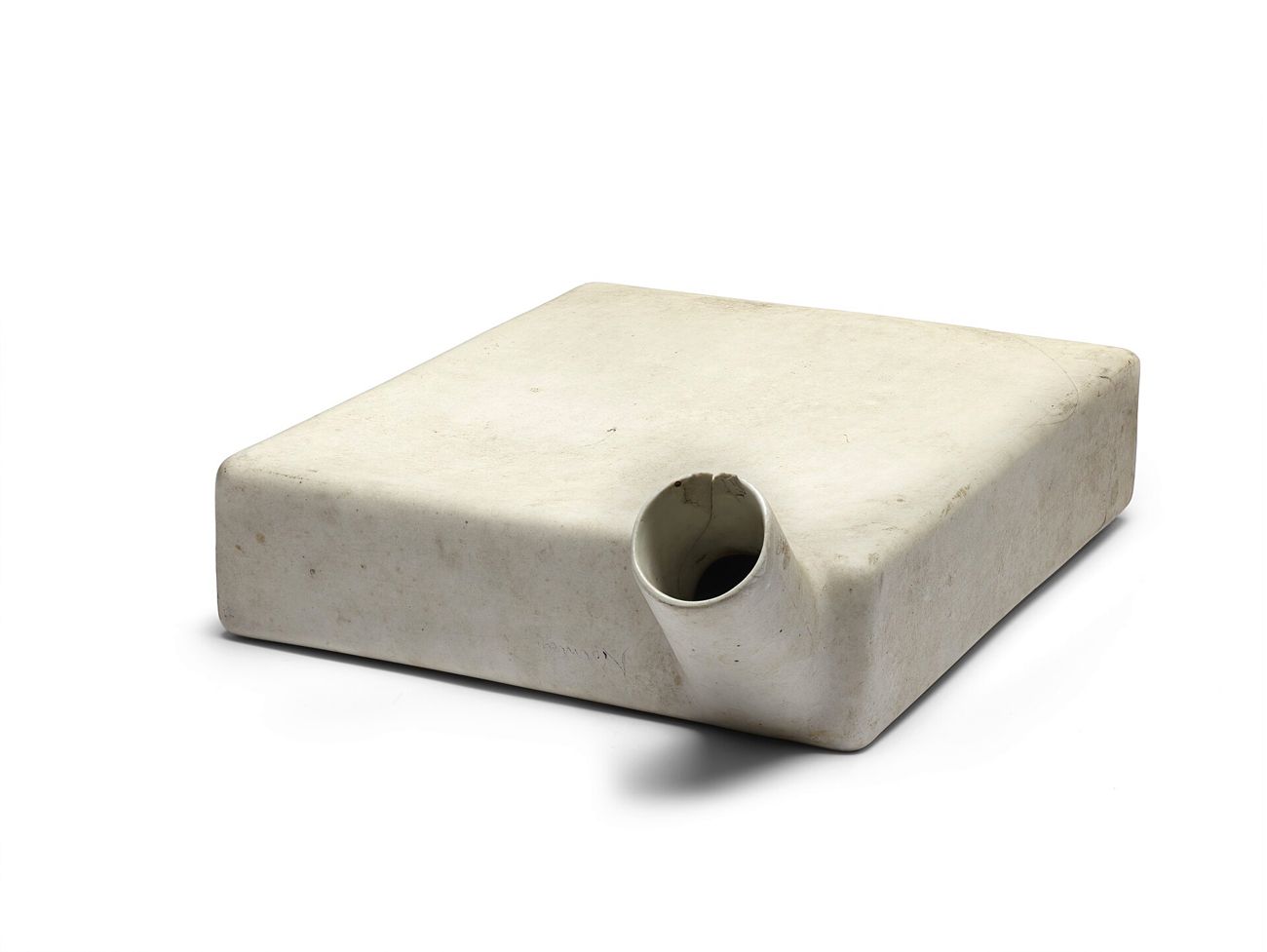
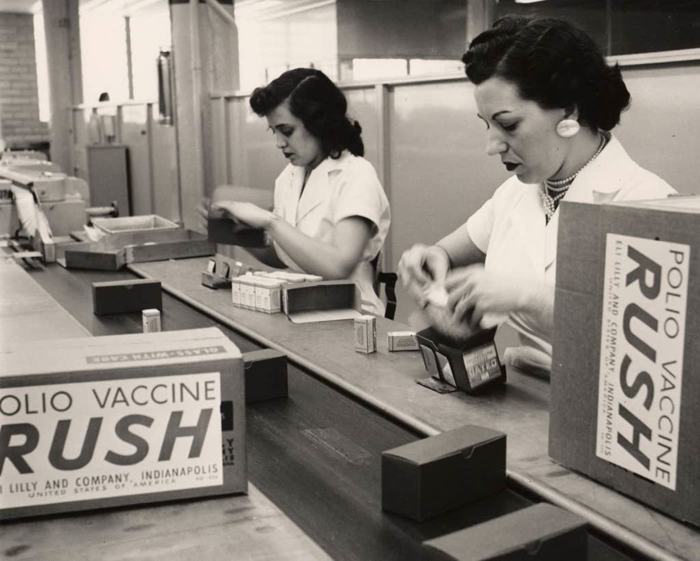
From Fleming’s first observation of penicillin to Pfizer’s deep-tank plant in Brooklyn.
ACS National Historic Chemical LandmarkLilly historical collection
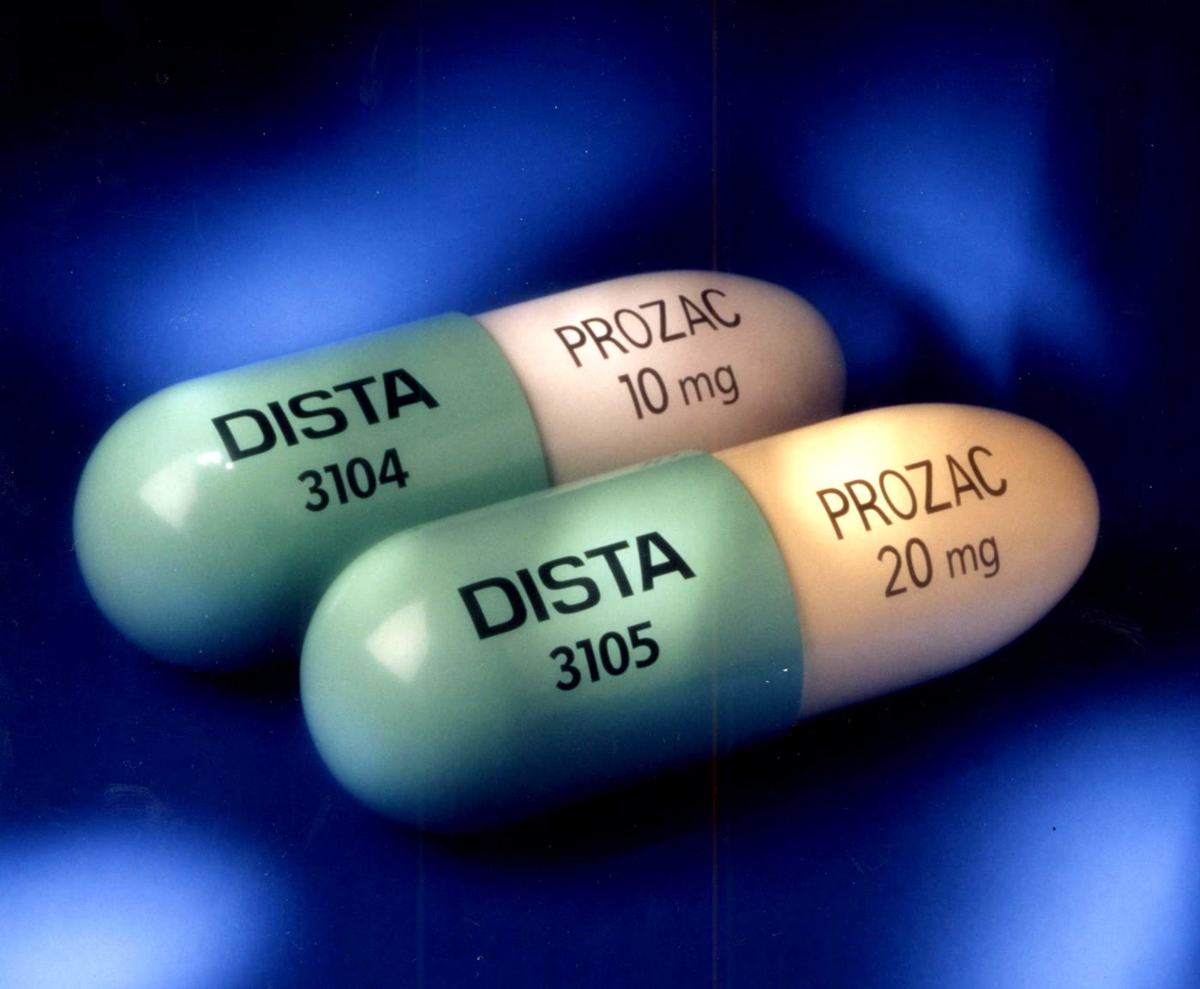
Medicine Becomes a Business
Drugs designed against targets, sold against a patent clock.
From October 1962, a drug could be sold in the United States only with substantial evidence that it worked. Chemists began building molecules against known targets in the body. In 1984 the Hatch-Waxman Act let generic copies be approved by showing bioequivalence, and every blockbuster since has lived by that clock.
- Valium
- Tagamet
- Hatch-Waxman
- The statins
- Prozac
- Viagra
- HIV and Gilead
- Vioxx
- The mergers
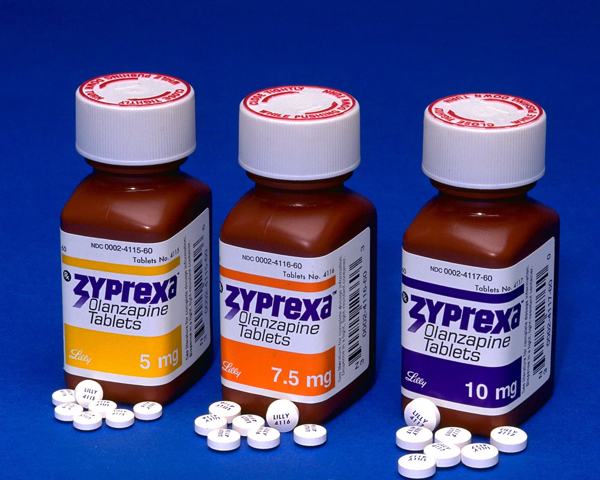
Prozac sales at their peak, in 1998. Generic fluoxetine arrived in August 2001.
Good Pharma, The Factory in IndianapolisLilly historical collection
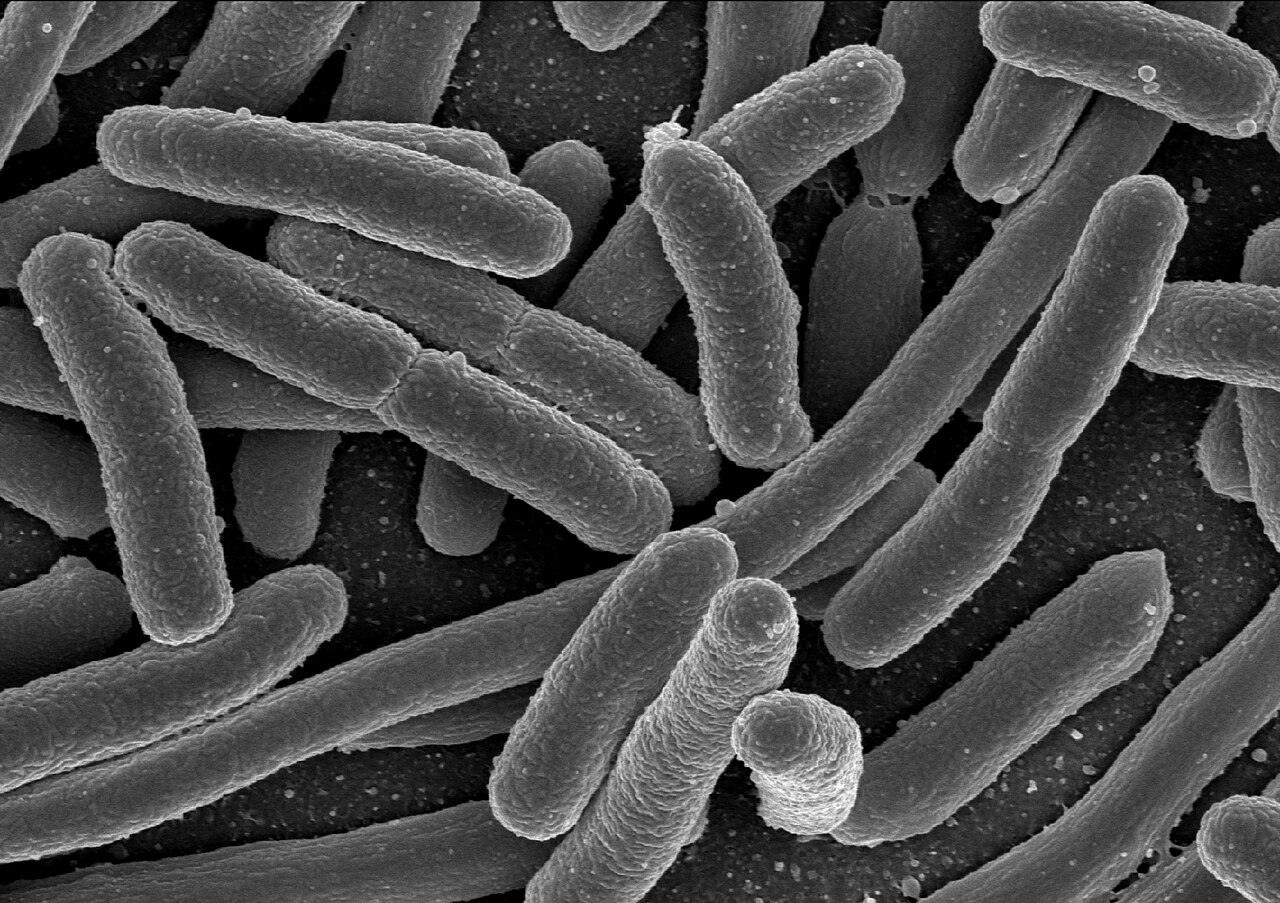
Biology Becomes Engineerable
The factory becomes a living cell.
From 1973, genes could be cut, joined and copied inside bacteria. Within a decade, bacteria carrying a human gene were making a medicine: human insulin, approved in 1982. Amgen’s epoetin alfa, approved in the United States in June 1989, is made in genetically engineered Chinese hamster ovary cells.
- Cohen and Boyer
- Genentech
- Humulin
- Amgen
- EPO
- Monoclonals
- Venture capital
- Antibody blockbusters
- Biotech IPOs
Cohen, Chang, Boyer and Helling join DNA from separate plasmids and put it into E. coli, where it copies itself.
PNAS 70(11), November 1973NIAID · public domain
Biology Becomes Programmable
mRNA vaccines, gene therapies and gene editing.
The Human Genome Project, launched in October 1990, produced the first sequence of the human genome in April 2003. Twenty years later, the first CRISPR therapy approved in the United States was made separately for each patient, from their own blood stem cells.
- The genome
- Illumina
- RNAi
- CAR-T
- Gene therapy
- CRISPR
- mRNA
- Keytruda
- The GLP-1s
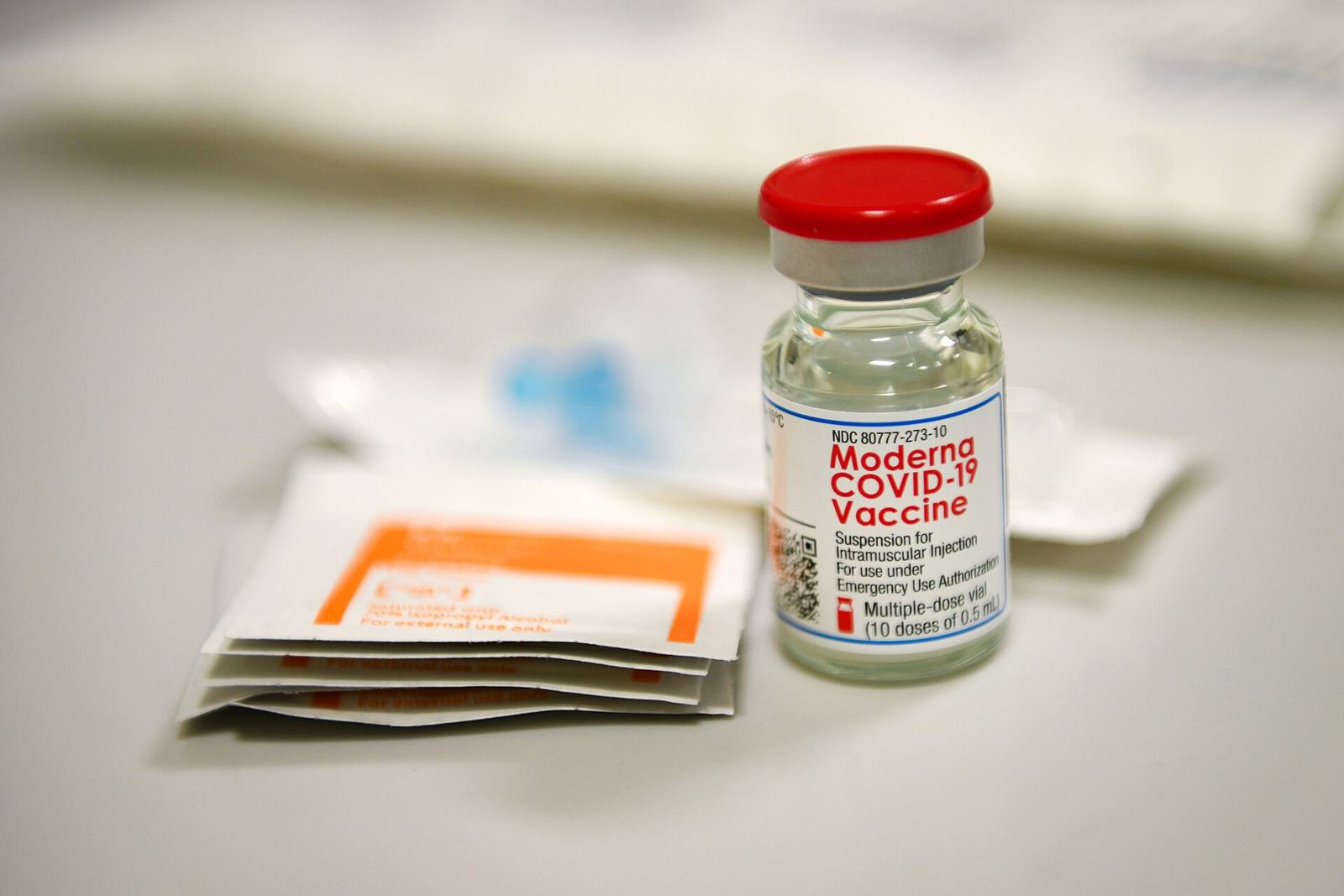
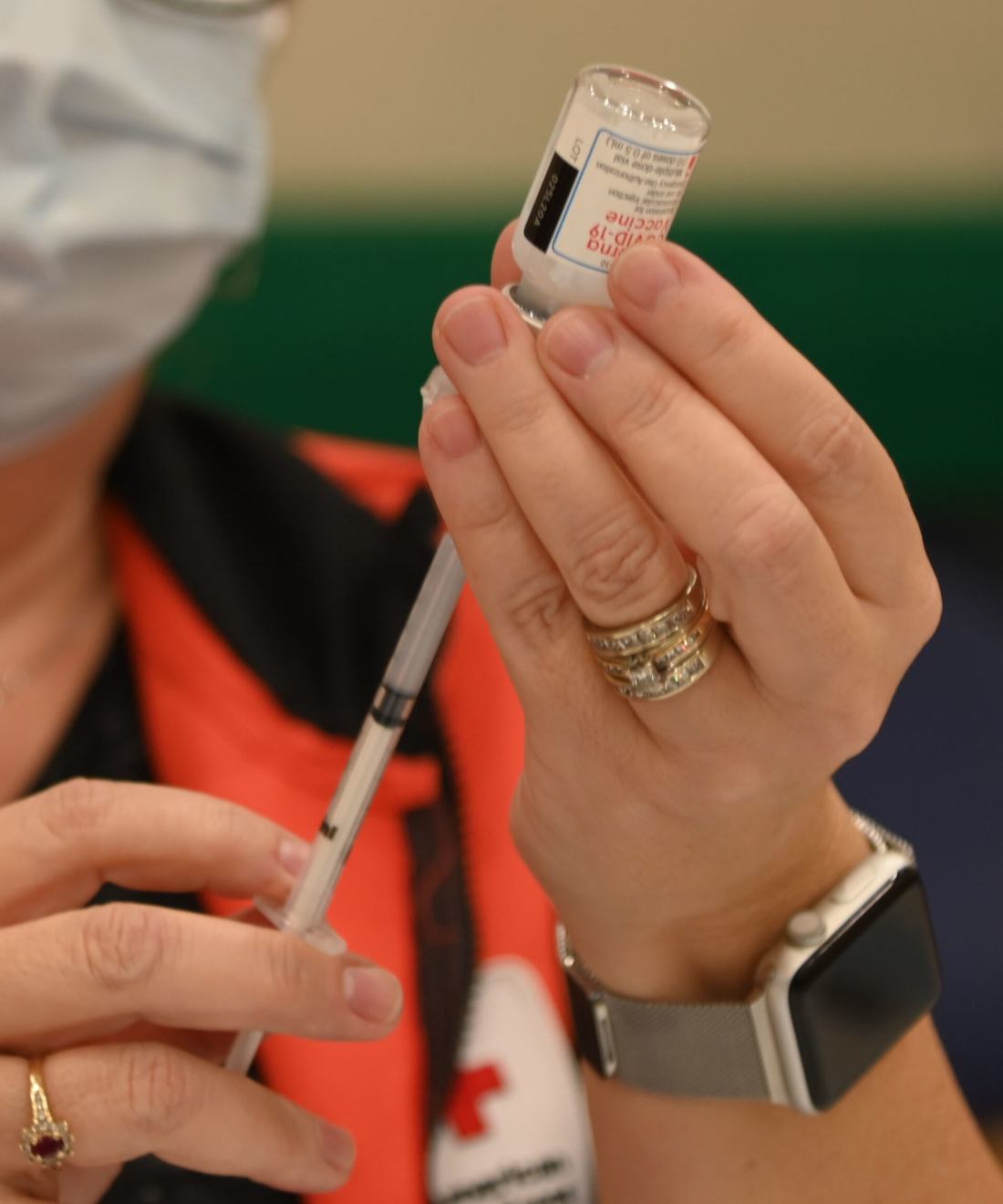
From the finalized sequence of Moderna’s vaccine to the first person dosed, 13 January to 16 March 2020.
Moderna, SEC exhibit 99.2U.S. Navy · public domain
The New Industrialists
The people behind today’s drug companies.
Profiles of founders, scientists, investors and manufacturers whose work has reached patients or become part of drug production. Each profile follows a specific medicine, manufacturing process or research tool, from its development to its use. The focus is on the decisions behind the work: what to develop, how to fund it, and how to make it reliably.
- Founders
- Scientists
- Investors
- Manufacturers
- China
- New modalities
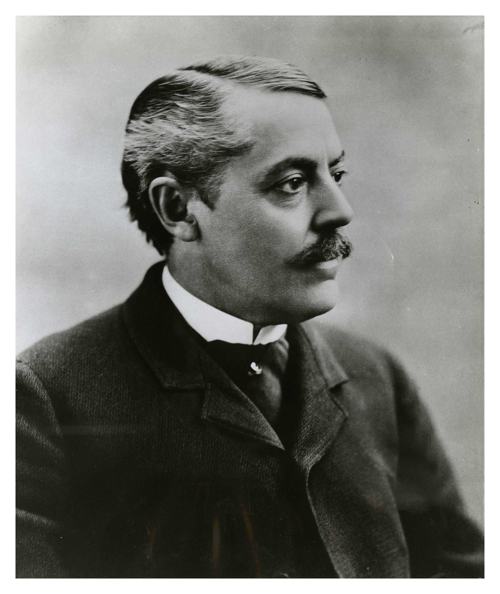
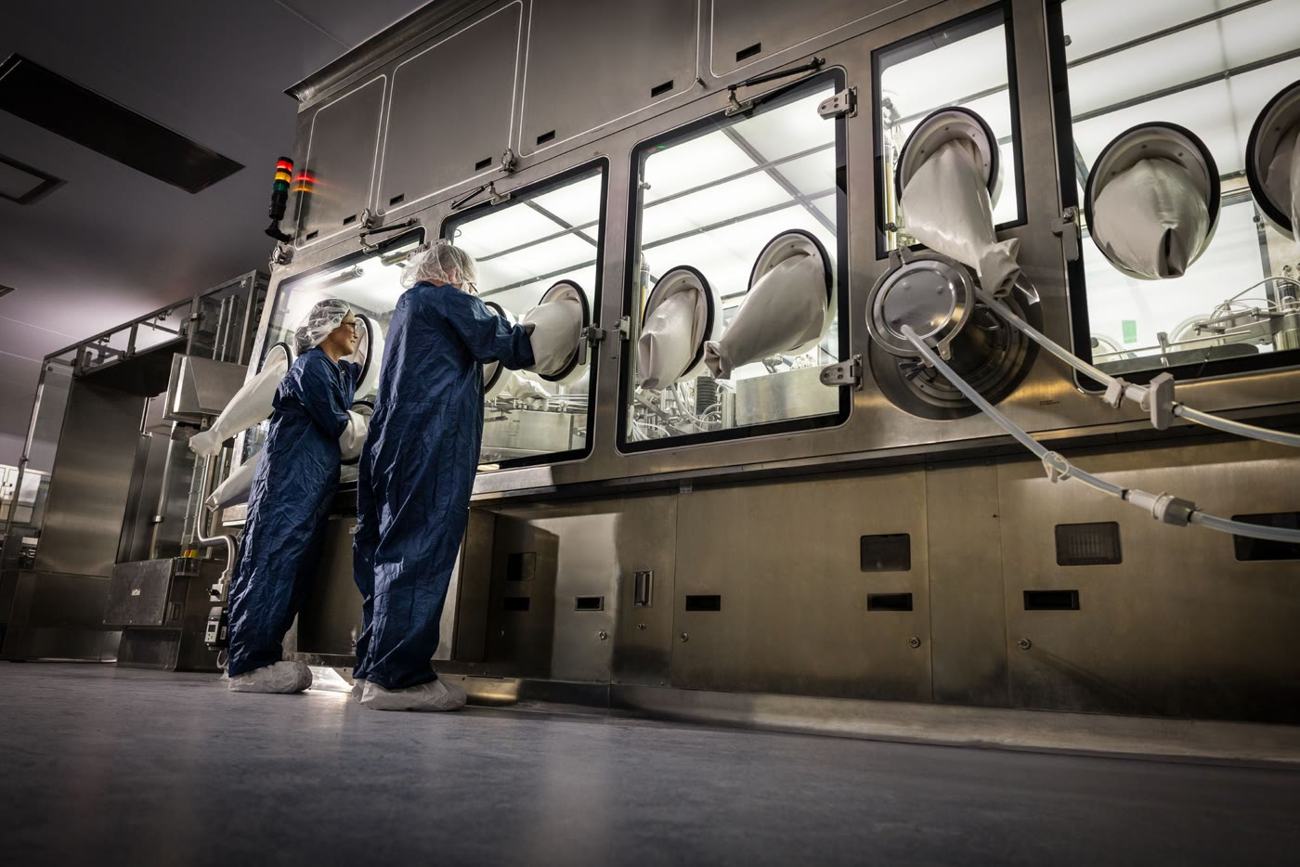
What Lilly has committed to new manufacturing capacity since 2020.
Good Pharma, The Factory in IndianapolisLilly manufacturing imagery
Medicine Becomes Computable
Protein structures, designed molecules and the laboratories testing them.
A protein’s sequence tells us which amino acids it contains. Its three-dimensional shape helps explain what it does. In 2020, AlphaFold2 made a striking advance in predicting that shape. AlphaFold 3 extended the work to complexes of proteins, DNA, RNA and small molecules. Alongside prediction, researchers are designing proteins with sequences that do not occur in nature. This part follows the scientists, models and experiments behind those changes—and what it takes to turn a design into a medicine.
- AlphaFold
- Protein design
- Isomorphic Labs
- Generative models
- Automated laboratories
- Experimental evidence
What shape
will it take?
A sequence becomes a structure. A structure suggests an experiment. The experiment tells us whether the prediction holds.
Nature · 8 May 2024 Accurate structure prediction of biomolecular interactions with AlphaFold 3 Abramson et al. Read the paper ↗Predicting a structure and designing a drug are different tasks. Binding, selectivity, safety and clinical benefit still have to be established experimentally.
The size of each of the fourteen fermentation tanks in Pfizer's Brooklyn penicillin plant, opened on 1 March 1944.
American Chemical Society, National Historic Chemical LandmarkFrom the finalized vaccine sequence on 13 January 2020 to the first clinical batch shipped to the NIH.
Moderna, SEC exhibit 99.2, 16 March 2020Efficacy of mRNA-1273 against symptomatic Covid-19 in the 30,420-person phase 3 trial.
Baden et al., NEJM 384, 2021The science on the page
The insulin molecule and the chemistry behind its manufacture.
Two chains, fifty-one amino acids
Mature human insulin. Chain A has 21 amino acids and chain B has 30. Three disulfide bonds hold the molecule together: A6–A11 inside chain A, and A7–B7 and A20–B19 between the chains. Drawn as a diagram, not a three-dimensional structure.
At pH 5.4, insulin falls out of solution
A protein's charge depends on the acidity around it. At its isoelectric point the charges balance and the molecule is least soluble. For human insulin that point is pH 5.4. Walden's process tuned pancreatic extract to this point and collected the insulin as a solid. Curve drawn schematically.
Good Pharma · Volume 1
A Visual History of Modern Medicine
First edition · Expected shipping Fall 2027Every era of medicine began with a new way to make it. Insulin became a medicine when a chemist in Indianapolis learned to precipitate it at one exact acidity. Penicillin became one in fermentation tanks in Brooklyn. Human insulin was made in engineered bacteria, and a Covid vaccine went from sequence to clinical batch in 42 days. Good Pharma tells that history in six parts, from 1899 to now, through the science, the companies and the people who made medicine.
- Pre-orders coming soon$120 USD
- Format
- 9 × 12 in
- Structure
- Six parts, 1899 to now
- Edition
- Volume 1 · First edition
Sources & image credits
The 1922 insulin paper
Pancreatic Extracts in the Treatment of Diabetes Mellitus ↗Banting, Best, Collip, Campbell and Fletcher. Canadian Medical Association Journal, March 1922, pp. 141–146.
Read the published paper at PubMed Central.
Sources on this page
- Thomas Fisher Rare Book LibraryUniversity of Toronto
- FDA History Office100 Years of Insulin
- American Chemical SocietyDeep-tank fermentation landmark
- Moderna, exhibit 99.2SEC, 16 March 2020
- Baden et al.NEJM 384, 2021
- Human insulin sequenceUniProt P01308
- AlphaFold timelineGoogle DeepMind
- AlphaFold 3Abramson et al., Nature 630, 2024
- Iletin sales, 1923Encyclopedia of Indianapolis
- Walden’s methodInsulin100, University of Toronto
Photographs
- Penicillin fermentation pan, OxfordScience History Institute · public domain
- Banting and Best, August 1921Thomas Fisher Rare Book Library · CC BY 2.0
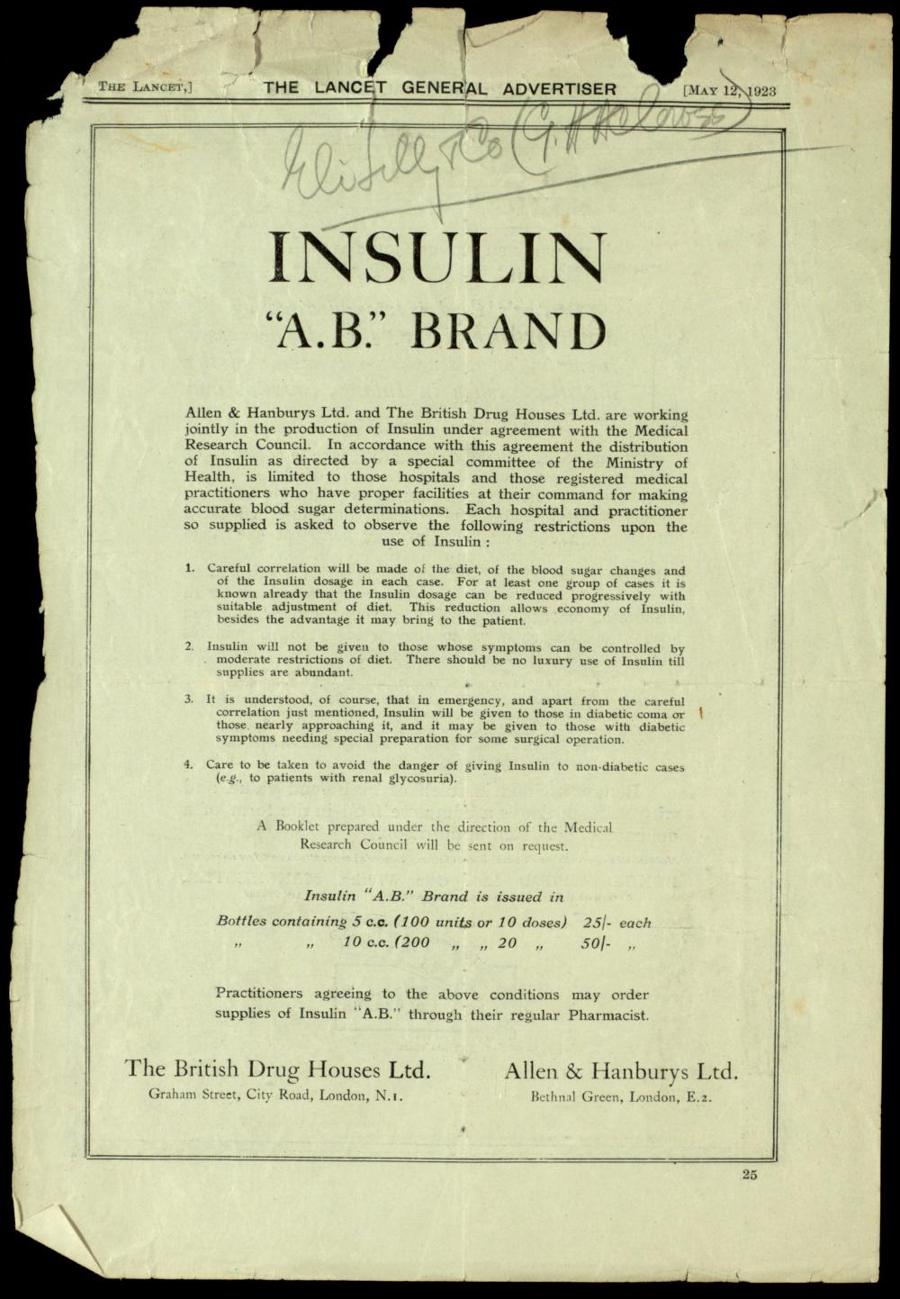
- Insulin “A.B.” Brand, The Lancet, 1923Thomas Fisher Rare Book Library · CC BY 2.0
- E. coli, electron micrographNIAID · public domain
- Moderna vaccine, 2020 and 2021U.S. Air Force; U.S. Navy · public domain
- Penicillin, polio, Prozac, Zyprexa, Humulin, manufacturing and the ColonelLilly historical collection, as used on goodpharma.fm